
Deadly Medicine, The Banality of Evil, and the Healthcare Workforce Crisis: Lessons from Nuremberg
The recent release of the movie Nuremberg has prompted me to reflect on the enduring lessons of the Holocaust (Shoah) and how they apply to today’s healthcare workforce crisis. My perspective is shaped by years of work in resilience, including research with Holocaust survivors and extensive review of transcripts, recordings, and original documents from the Nuremberg trials, such as the Nuremberg Diary. These sources reveal the psychology of bystanders and perpetrators, showing how ordinary people, through loyalty, obedience, conformity, and willful blindness, became complicit in systemic harm.
Much of what I’ve learned came from my conversations with International Human Rights Judge, Thomas Buergenthal, andEva Korr, a victim of the horrible medical experiments on twins led by Dr. Josef Mengele. Both shared how the majority blindly followed orders driven by motives of power, profit, and prestige, resulting in what we now recognize as the Holocaust (Shoah) with a few demonstrating moral courage through acts of resistance.
These acts of resistance were both obvious demonstrations and quiet, small gestures of kindness yet they were powerful reminders of the essence of humanity and served as forms of purpose for continuing the fight.
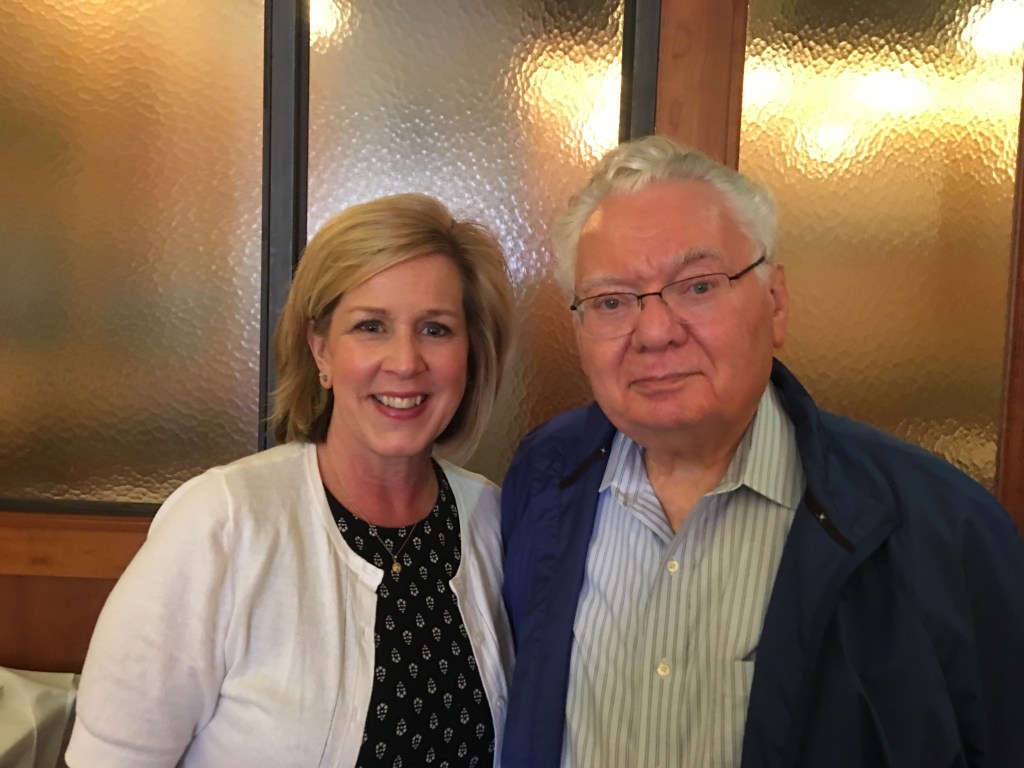
Judge Buergenthal
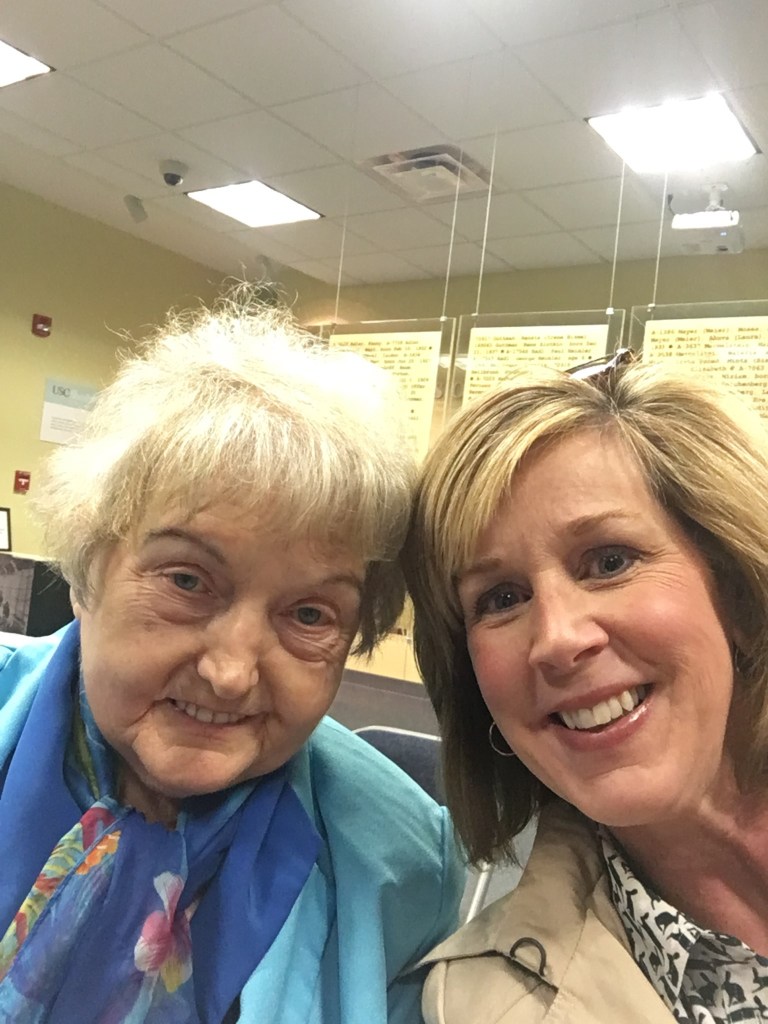
EvaKorr

Resilience, as I’ve learned from survivors, is not just about bouncing back. It’s a mindset, an active response rooted in resistance to social injustice and moral/ethical violations. These lessons remind us that the banality of evil is not just a relic of the past; it’s a persistent risk in any system that prioritizes authority/hierarchy, compliance, profit, power, and self-interest over morals and ethical responsibility.
Deadly Medicine: When Systems Harm
Healthcare and higher education are supposed to heal, educate, and empower. Yet, when systems put profit, prestige, and power above people, they become instruments of harm. As a Belfer Fellow with the United States Holocaust Memorial Museum, I was honored to host the Deadly Medicine exhibit, a powerful warning about cultural crisis. Today, I see eerie similarities in healthcare and academia, where financialization and corporatization have turned these fields into industries driven by metrics and market forces, often at the expense of humanity.
At its core, the nursing workforce crisis is about who we are (our purpose and priorities) and how we choose to prioritize our values and ethical responsibilities. Sadly, the data overwhelming shows a major disconnect between what we say we value (humanity) and what is actually prioritized.
In a recent study of nursing faculty (n=690) we learned burnout and moral injury are driving forces in the crisis, fueling the nursing shortage. This is a cumulative effect, spreading to our learners who take it with them into practice. In fact, data shows up to 75% of our nursing students are severely burned out at the time of graduation – before they ever enter practice.
What does this look like in real life?
- Understaffing and overwork: Clinicians and faculty are asked to “do more with less,” leading to exhaustion, errors, and compromised care.
- Moral distress and injury: Professionals are forced to participate in practices that violate their core values, like rationing care or enforcing policies that harm patients and learners.
- Attrition and shortage: Burnout and disillusionment drive talented people out of the workforce, worsening shortages and undermining quality. It has also led to a decreased interest in nursing as a profession.
The Banality of Evil: Complicity Through Obedience
I’ve spent a lot of time exploring the data and transcripts from the Nuremberg trials, specifically the testimonies of perpetrators. Their complicity is obvious to us, yet their excuses of “just following orders” and “I had no choice” are echoed in our own institutions today. Our upcoming article, “Fighting to Do What’s Right”, describes this fundamental divide in nursing academia, where two sides are fighting an internal battle – much like we’ve seen displayed throughout history. One one side we find those who fiercely protect adherence to values, ethics, and morals, driven by a commitment to others. The others dissociate their complicity in harm through blind obedience to authority. Both groups truly believe they are doing what is “right”.
Hannah Arendt’s concept of the banality of evil, developed in her analysis of the Holocaust, describes how ordinary people become complicit in harm by following orders, conforming to harmful cultural norms, and abdicating personal responsibility through dissociation and willful blindness. In healthcare and higher education, this happens when professionals obey directives that conflict with their ethics, rationalize harmful practices as “just following policy,” or “its business” as ways to remain silent in the face of injustice. This is complicity.
Protected values, deeply held beliefs that resist trade-offs, play a dual role. They can inspire moral courage and advocacy for what’s right. But when tied to extreme loyalty, blind obedience, and absolute hierarchy, they can trap us in systems that perpetuate harm. Statements like “I will not disobey a direct order” or “It doesn’t matter what the evidence shows, I will not change my mind” show how protected values can become barriers to ethical action.
Financialization and Protected Values: A Toxic Alliance
Financialization amplifies the dangers of the banality of evil. When organizational priorities shift from care and learning to profit, prestige, and power, protected values are often redefined to serve institutional interests. Loyalty to the organization, obedience to authority, and willful blindness become the preferred virtues, while dissent, critical thinking, and advocacy are punished or marginalized.

This toxic alliance leads to:
- Suppression of voice: Professionals who challenge harmful policies are silenced or retaliated against.
- Normalization of harm: Practices that would once be considered unethical become routine, justified by financial necessity or institutional loyalty.
- Loss of accountability: Responsibility is diffused, allowing individuals to dissociate from the consequences of their actions.
The Workforce Crisis: Symptoms and Solutions
The current healthcare workforce crisis is a symptom of these deeper systemic issues. Protected values, financialization, and complicity have created environments where burnout, moral injury, and attrition are inevitable. Addressing the crisis requires more than recruitment and retention strategies, it demands a radical transformation of culture, leadership, and values.
What can we do?
- Clarify and reclaim protected values: Return to professional codes of ethics and prioritize values that serve patients, learners, and communities.
- Ethical leadership: Leaders must show moral courage, humility, and accountability, fostering environments where dissent and critical thinking are valued.
- Resilient teams and collective efficacy: Change is most effective when driven by grassroots efforts and resilient teams who challenge oppressive norms and advocate for systemic reform.
- Cognitive debiasing: Leaders and staff must recognize and address cognitive biases that perpetuate harmful practices, embracing evidence and adaptability.
Final Thoughts
Deadly medicine, the banality of evil, and the financialization of healthcare and higher education are not abstract concepts, they are lived realities for countless professionals. Protected values matter, but they must be critically examined and aligned with ethical imperatives, not institutional self-interest. As nurses, our Code of Ethics clearly describe what is “right” – the behaviors and actions required of all nurses in all settings (including academia). These provisions are non-negotiable for individuals and organizations and specifically address many of the systemic issues leading to burnout and moral injury. The healthcare workforce crisis will only be resolved through widespread systemic change, ethical leadership, and a recommitment to our purpose and priorities: the well-being of patients, colleagues, leaders, and learners.
We will never resolve the nursing and healthcare workforce crises until we return to our core values and ethics where people come first.

 RN P.R.E.P.