
In my research in resilience, drawing from Holocaust survivor accounts and historical records, I’ve come to deeply appreciate the power of moral courage: the ability to do what is right, even when standing alone. Our research has shown a strong correlation between resilience and moral courage, yet it often comes with great personal risk.
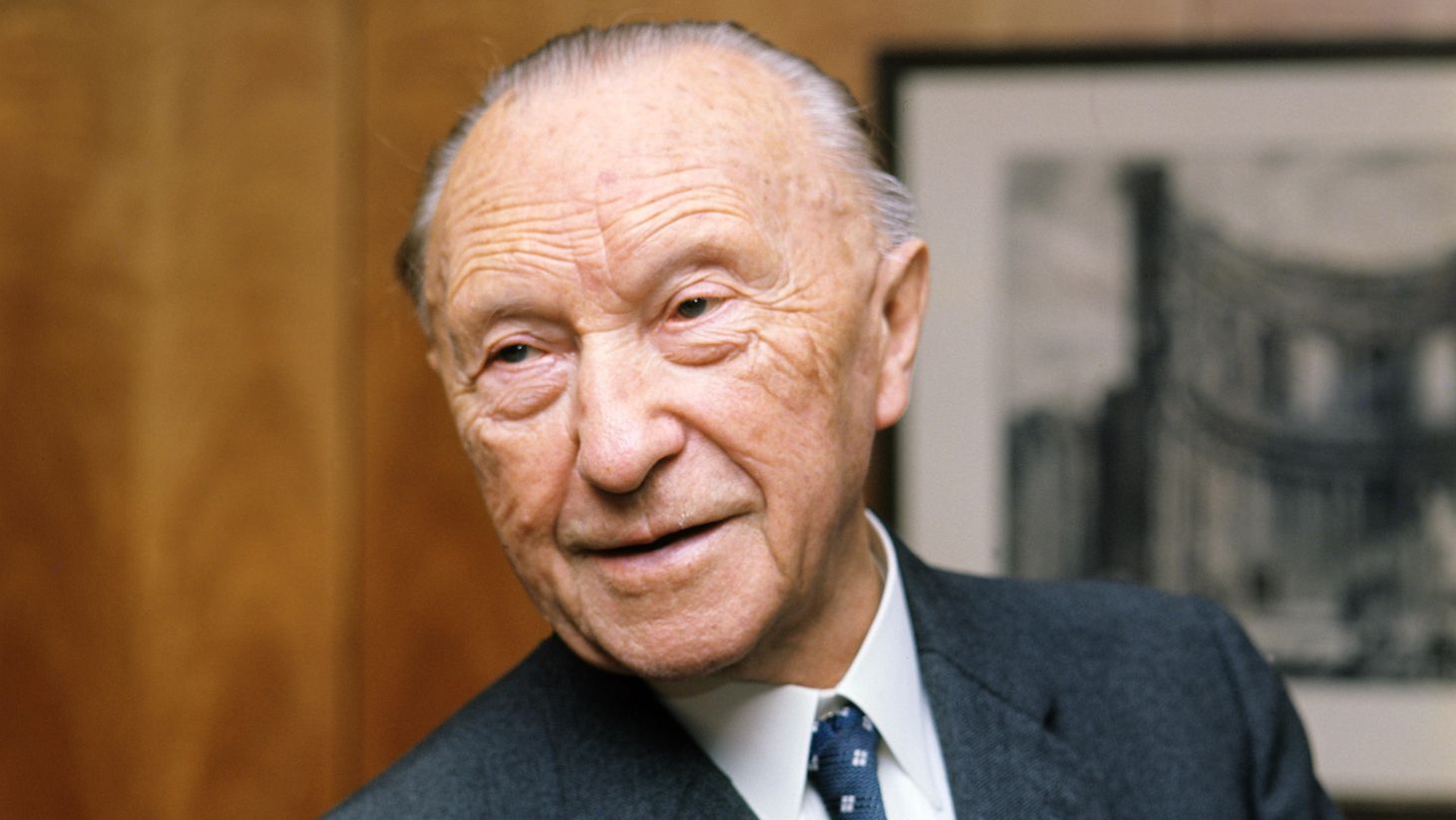
Today’s nurses in both practice and academia, face immense challenges: burnout, moral distress, and the urgent need for systemic change. In these times, we need sources of inspiration to guide our recovery and renewal. Adenauer’s journey provides just that. As we celebrate Konrad Adenauer’s birthday on January 5th, we honor a leader whose unwavering commitment to values and resilience transformed not only a nation, but also offers timeless lessons for our profession. His story is a beacon of hope and moral courage, especially relevant as we confront the current crises in healthcare and nursing.
Character and Commitment: Adenauer’s Moral Compass
Born in 1876, Adenauer’s upbringing instilled in him order, discipline, and a deep sense of Christian values. As Mayor of Cologne, he became known for his diligence, decisiveness, and commitment to public service. Unlike many of his contemporaries, Adenauer steered clear of extreme political ideologies, instead championing diligence, order, and moral integrity.
Before Nazi Rule: Adenauer was respected as a pragmatic democrat and a unifier, actively involved in major civic projects and political life. His reputation was built on his ability to bring people together and his steadfast adherence to ethical principles.
During Nazi Rule: The rise of the Nazis marked a dramatic shift. Adenauer became the target of slander, accused of anti-German sentiments and financial mismanagement. His refusal to conform, most notably, declining to decorate Cologne with swastikas for Hitler’s visit, led to his dismissal, loss of income, and repeated arrests. Despite immense personal risk, Adenauer remained true to his values, relying on friends and the church for support, and enduring imprisonment in the Gestapo’s notorious Brauweiler prison.
After Nazi Rule: With the fall of the Third Reich, Adenauer was reinstated as Mayor and soon became the architect of a new Germany. As Chancellor, he unified Protestant and Catholic Germans, fostered reconciliation with France, and anchored Germany within the Western alliance. His leadership transformed Germany into a stable democracy, deeply integrated into the European community.
Adenauer’s story is one of extraordinary resilience. He faced persecution, poverty, and imprisonment, yet never compromised his principles. His moral courage, standing firm against tyranny, even when isolated and endangered, reminds us that true leadership is measured not by power, but by the ability to remain steadfast in the face of adversity.
Lessons for Today: Healthcare and Nursing Crises
Adenauer’s legacy offers vital lessons for today’s healthcare and nursing sectors, which grapple with challenges of ethics, financial pressures, and systemic reform:
- Just as Adenauer worked to purge Germany of the toxic legacy of Nazism and corrupt leadership, nursing must continually confront and eliminate harmful practices, biases, and structures that undermine practice and professional integrity.
- Adenauer’s commitment to values over expediency urges us to resist the commodification of healthcare. The focus must shift from profit-driven models to systems rooted in compassion, equity, and ethical responsibility.
- Adenauer’s refusal to conform to injustice, even at great personal risk, reminds us that true leadership is measured by our willingness to speak up, challenge harmful norms, and advocate for what is right, even when it means going against those in power or authority.
- Adenauer’s vision for reconciliation and unity mirrors the collaborative spirit needed in nursing today. By coming together, sharing our stories, and supporting one another, we can rebuild a profession that honors both our legacy and our future.
Ethical Leadership: The Path Forward
Ethical leadership in healthcare is more than a set of rules, it is a lived commitment to integrity, transparency, and compassion. Adenauer’s example teaches us that:
- Recovery begins with resilience. Nurses must cultivate a mindset that embraces challenges as opportunities for growth, learning, and transformation.
- Just as Adenauer worked to purge Germany of destructive ideologies, nursing must confront and eliminate toxic practices, biases, and financial pressures that undermine patient care, higher education, and professional integrity.
- Adenauer’s legacy is one of hope, proof that even in the darkest times, perseverance and ethical conviction can lead to renewal and progress.
Leading the Recovery of Our Profession
As we face the current healthcare and nursing crises, we are at a tipping point as a profession. Do we remain silent and complicit in the behaviors, decisions, and actions that destroy our foundation of care? Or do we commit to radical moral courage, collectively using our immense strength in numbers to challenge the status quo and recover our values and ethics?
I choose to draw strength from Adenauer’s story. His life reminds me that recovery is possible when we lead with purpose, resilience, and moral courage. By recommitting to our values and supporting one another, I believe nurses can (and will) lead the way to a brighter, more ethical future for our profession. When the ultimate fallout comes to fruition, the ethical and courageous nurses will be there to reclaim and rebuild our profession.

 RN P.R.E.P.